Immunosuppressants and Skin Cancer: What you need to know

2 min read
Immunosuppressants and Skin Cancer: What you need to know

People who are immunosuppressed have a higher risk of developing skin cancer.

Immunosuppressive medications are given to recipients of organ transplants and also other chronic medical conditions including psoriasis, lupus and eczema.

Immunosuppressive drugs work by reducing the effectiveness of your immune system. Without these drugs a transplant recipient may encounter difficulties with their immune system attacking or rejecting their donor organ

Psoriasis sufferers use immunosuppressants because their immune system reacts to a non-existent danger. New skin cells move to the surface every few days rather than every few weeks. This results in thickened plaques on the surface of the skin.

One of the downsides of taking immunosuppressive drugs is the ability to counter the effects of UV light on the skin.

Transplant.org.au states that solid organ transplant recipients are 65 times more likely to develop skin cancer. They estimate that up to 70% of fair skinned transplant recipients will develop skin cancer within 20 years of their transplant.

For individuals who take immunosuppressant drugs and have a high skin cancer risk profile, the cumulative effects of surgical skin cancer removal can materially reduce their quality of life.

If you are taking immunosuppressants it is advisable to check your skin regularly (once a month) for high risk skin lesions. Early detection is critical as skin cancers spread more quickly for individuals who are taking immunosuppressants which can increase the severity of remedial treatments.

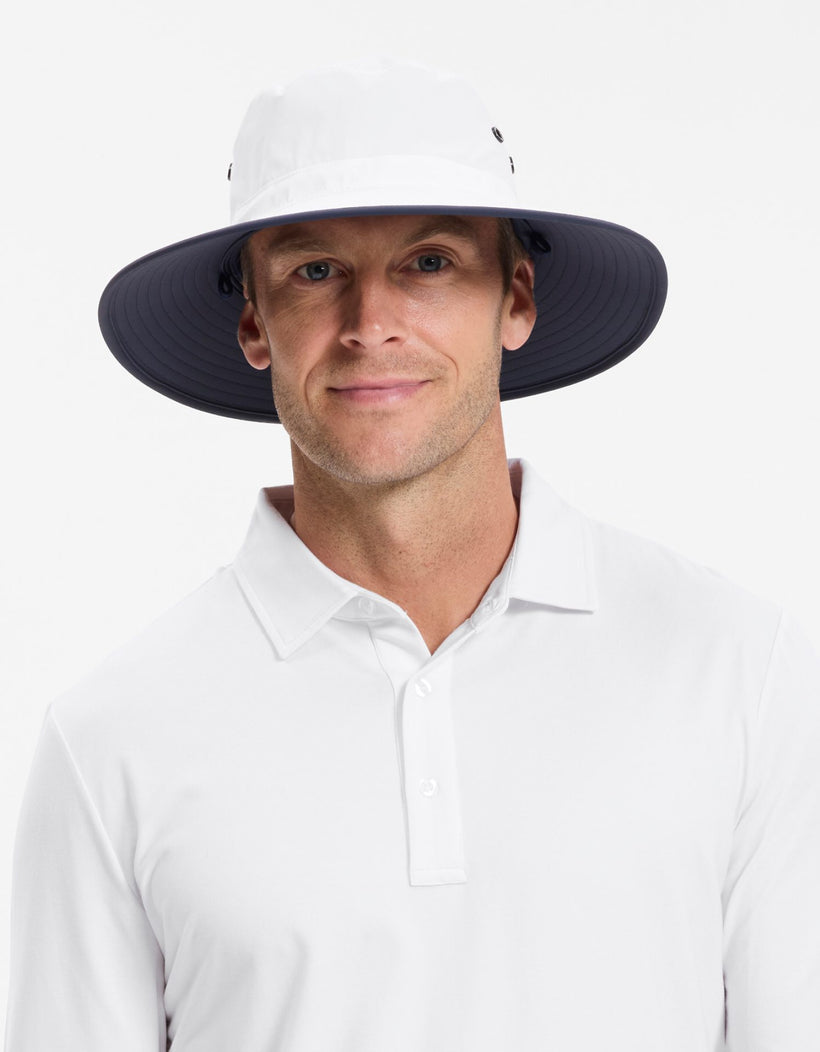
To enjoy the outdoors safely in the sun it is beneficial to wear UPF 50+ sun protective clothing and a broad brim sun hat. Applying and reapplying sunscreen with an SPF of at least 30 on areas of your skin which may still be exposed is also important.

Solbari Sun Protection is an Australian brand specializing in UPF50+ sun protective clothing, UV umbrellas, UPF arm sleeves and other UV blocking accessories.

You can find out more about Solbari's sun protective range by clicking the links below:
Women UPF 50+
Men UPF 50+
Sun hats UPF 50+
Accessories UPF 50+
SPF 50+ Sunscreen

Back to blog homepage

Content Disclaimer: All content on the Solbari website is for informational purposes only. It does not constitute and is not intended to be a substitute for professional medical advice, diagnosis or treatment. Never disregard professional medical advice or delay seeking it because of something you have read on this website. Reliance on any information provided on this website is solely at your own risk. Always seek the guidance of your doctor or other qualified health professional with any questions about your health or a medical condition.

More articles

Your Story Series: Amy

Your Story Series: Amy

Skin Cancer & Melanoma
5 min read

After multiple melanoma diagnoses, Amy has built her sun protection routine around her adventurous lifestyle. She incorporates both SPF sunscreens and UPF 50+ clothing into her every day life so she can continue to embrace the outdoors without sacrifice.

Your Story Series: Leah

Your Story Series: Leah

Skin Cancer & Melanoma
2 min read

8 years ago, Leah was diagnosed with Stage 3 melanoma shortly after her son's first birthday. In the years since she has learned the tools to allow her to continue enjoying the outdoors.

A woman and a man standing on a beach wearing Solbari sun hats and UPF 50+ clothing.

Sun Protection Beyond Sunscreen: Make UPF 50+ Clothing and Sun Hats Your First Line of Defence

4 min read

Learn why dermatologists recommend UPF 50+ clothing and broad-brim sun hats as the first line of defence, with sunscreen used to protect the areas clothing can’t cover.

A woman and a man wearing Solbari sun hats.

The Science of UPF 50+ Clothing and Sun Hats: Why Fabric Rating Matters

Sun Protection
5 min read

Not all fabrics block UV. Explore how UPF 50+ clothing and sun hats are engineered, tested and rated to keep your skin safer every day in the sun.

Courtney wears a Solbari sun hat and Luxe Sun Wrap

Your Story Series: Courtney

Skin Cancer & Melanoma
3 min read

After seeking help for a spot that was changing colour and getting bigger, Courtney was diagnosed with melanoma. She has since prioritised her health above everything else, and has incorporated sun protection as a non-negotiable in her daily routine.

How UPF 50+ Sun Protection Can Help Alleviate Rosacea

How UPF 50+ Sun Protection Can Help Alleviate Rosacea

Skin Cancer & Melanoma
2 min read

Does overexposure to UV rays affect rosacea? How can UPF 50+ sun protective clothing help to alleviate this skin condition? Find out more.