

Can you get sunburnt in the shade?

You can reduce your UV exposure materially by seeking shade, but the extent to which you are protected varies a lot depending on a number of factors which we explain in this blog.
Ultraviolet radiation can reach your skin directly and indirectly. Direct exposure is when a person is receiving UV direct from the sun. Indirect UV radiation reaches your skin by rebounding off the surfaces around you. UV can get to your skin bouncing off highly reflective surfaces like sand, water, snow, but also less obvious surfaces like concrete and even grass.
The Cancer Council in Australia notes that if you are in the shade, but in an open space the UV exposure is only cut by about 50%. This explains why people who spend a significant amount of time outside in the shade can still get badly sunburnt.
A good example would be a sun umbrella at the beach. If you are lying under a beach umbrella but are surrounded by sand, chances are you are still exposed to a material amount of sun. If you are in the shade but you can still see a lot of the sky, then chances are that you are still exposed to a material amount of UV from indirect sunlight.
The things to consider when it comes to whether you are getting the best kind of shade:
Bigger is better - Size matters when it comes to the structure that is providing you with cover from the sun. The canopy of a building or a large awning is likely to be better than a single umbrella.
Not all fabrics protect the same - just as not all clothes protect the same from the sun, the same logic applies to umbrellas and awnings. Ideally, the fabric is UPF50+, if it has a UPF above 40 it provides excellent protection.
All sides covered - direct UV can be blocked but being exposed from the side may still be an issue. If you are shaded by a structure that also is protecting you from other angles this is preferable. So, a good example would be to use a beach tent rather than a beach umbrella.
Gone with the wind - Being protected by a solid structure is better than intermittent cover from the branches and leaves of a tree which could move around with the wind and provide much less effective UV protection.
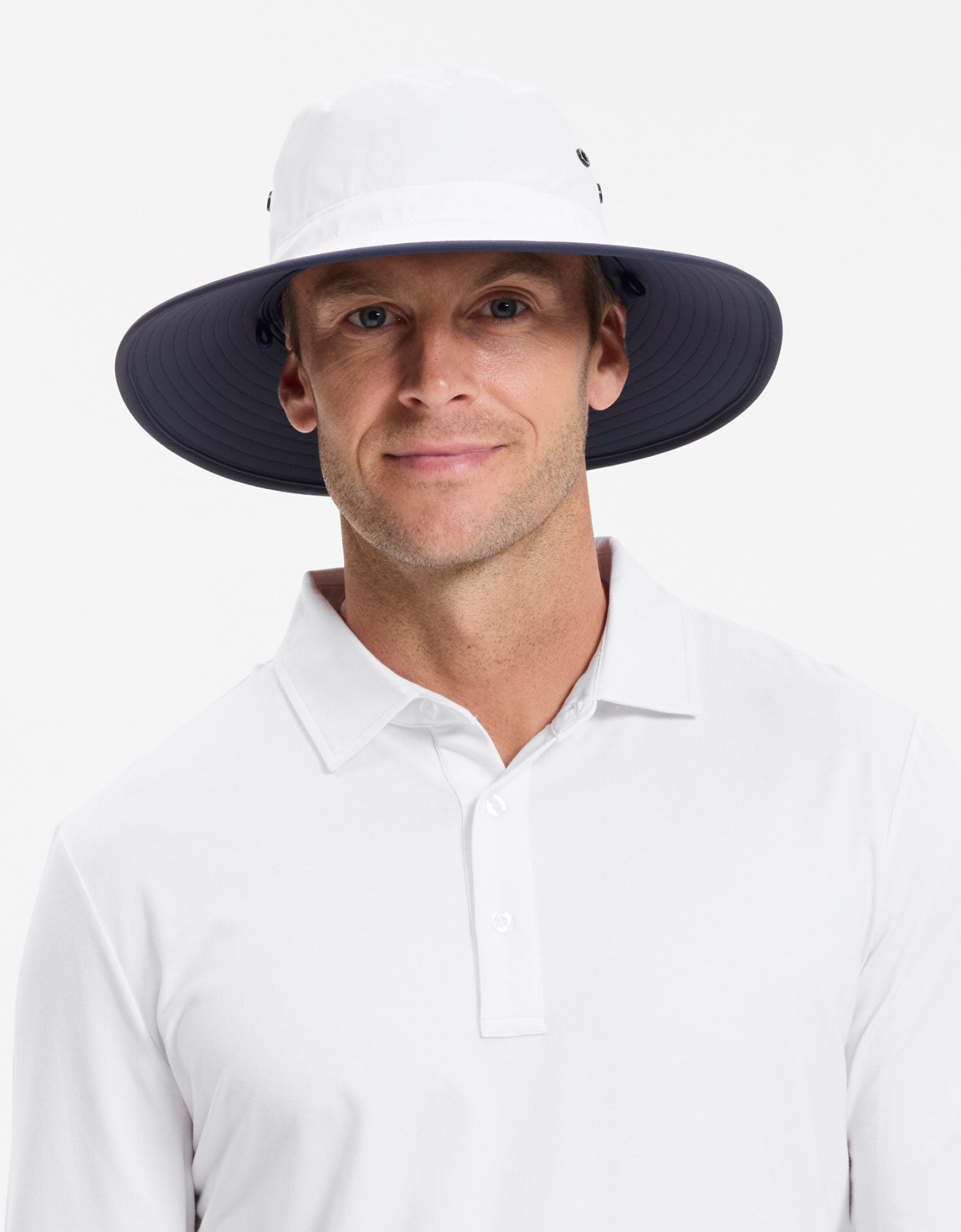
So, in summary, seeking shade is definitely a smart move, but you need to be aware that you are still likely to be exposed to indirect UV radiation. You can’t rely on shade exclusively to protect your skin from the sun. Consequently, you should still take other recommended sun protection measures like wearing a wide brim sun hat, UPF 50+ sun protective clothing and applying sunscreen with an SPF above 30.