Why is skin cancer more likely after an organ transplant?

2 min read
Why is skin cancer more likely after an organ transplant?

According to the World Health Organization, over 100,000 solid organ transplants are performed every year worldwide.

Organ recipients take medication to suppress their immune systems from attacking and or rejecting the donor organ.

One of the side-effects of taking the anti-rejection medication include an increased chance of being diagnosed with skin cancer.

The Skin Cancer Foundation (SCF) has confirmed that the most common skin cancers after transplant surgery are squamous cell carcinoma (SCC), basal cell carcinoma (BCC) and merkel cell carcinoma (MCC), in that order.

The chances of getting an SCC is 100 times more likely as a transplant recipient, 6 times more likely to get a BCC and 24 times more likely to get an MCC. Melanoma is twice as likely.

Sadly, not only are the chances of being diagnosed with skin cancer higher after an organ transplant, but the way the skin cancer develops is different too. Melanoma, SCC and MCC are likely to spread (metastasize) faster which results in a higher mortality rate and the treatment required to remove any skin cancer is often more severe.

All the reasons for the increased likelihood of skin cancer are not yet fully understood, however, the immunosuppression caused by the medication reduces the ability to detect and fight skin cancer when it emerges.

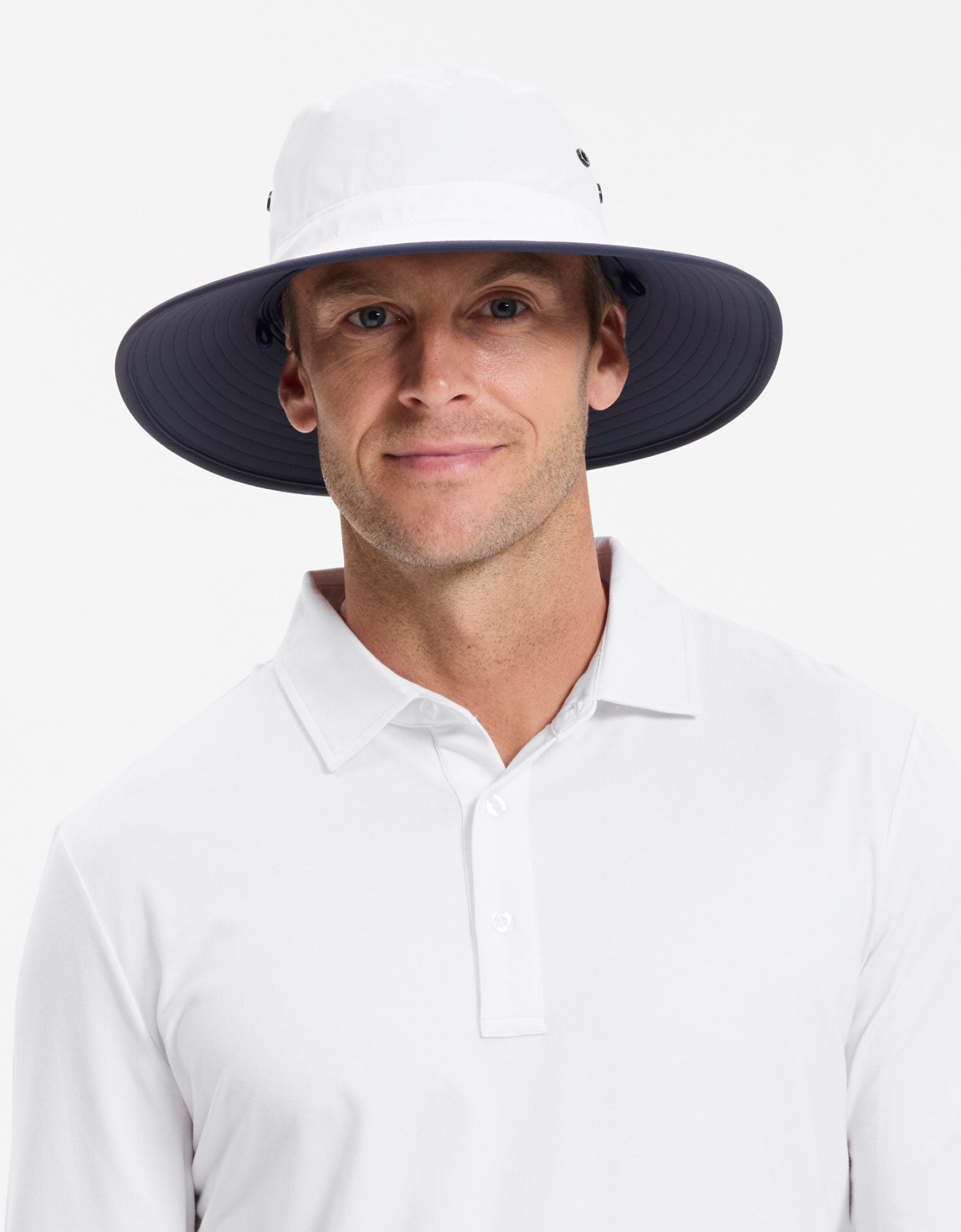
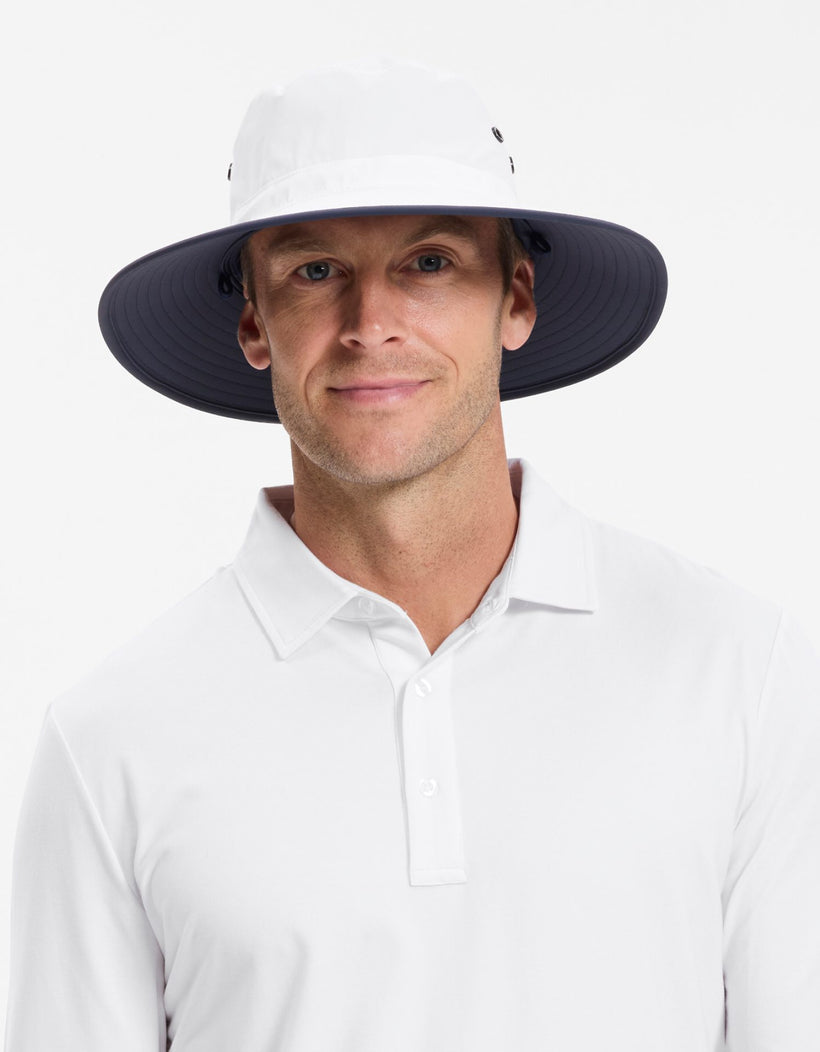
The best preventative measure that an organ recipient can undertake is to adopt sun smart lifestyle. Reducing direct sun exposure during times of the day when UV is at its highest is advisable. When you are outside in direct sunlight, UPF50+ sun protective clothing, a broad brim sun hat and SPF sunscreen will materially help reduce the likelihood of skin cancer.

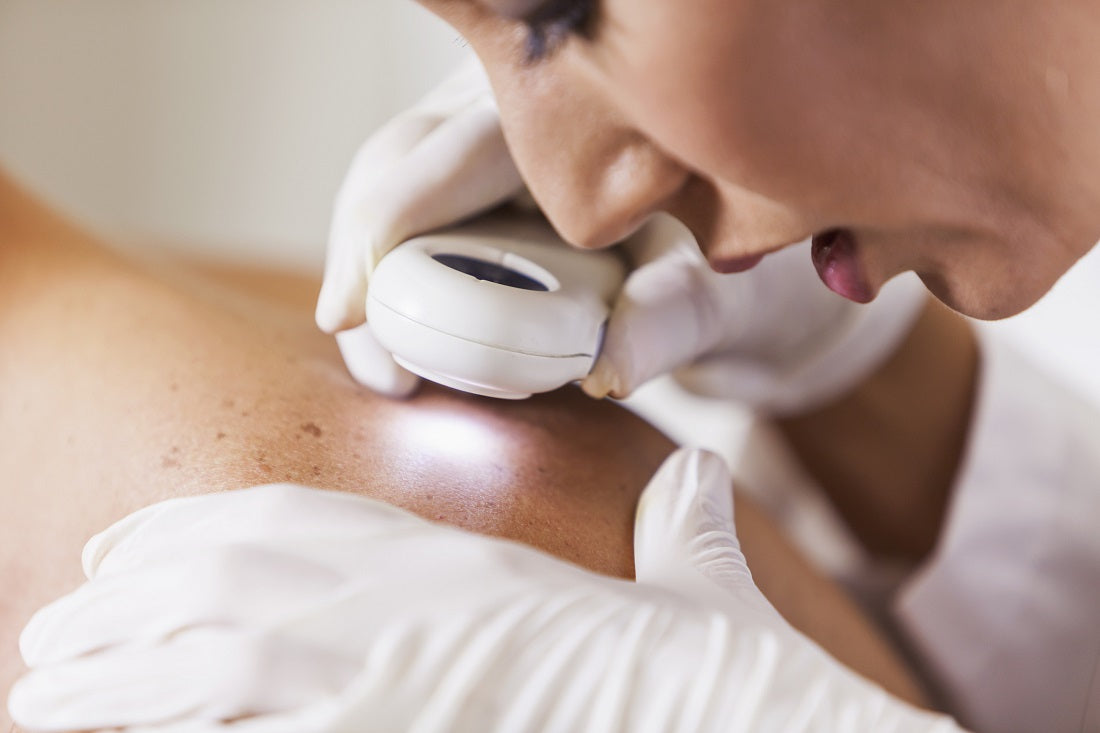
Dermatologists also recommend organ recipients to get their skin checked regularly for high risk skin lesions. Early detection is particularly important given the way the skin cancer spreads.

Solbari offers an award-winning range of UPF 50+ sun protective clothing, broad brim sun hats, UV blocking accessories and Australian made SPF50+ sunscreen.

You can find out more about Solbari's sun protective range by clicking the links below:
Women UPF 50+
Men UPF 50+
Sun hats UPF 50+
Accessories UPF 50+
SPF 50+ Sunscreen

Back to blog homepage

Content Disclaimer: All content on the Solbari website is for informational purposes only. It does not constitute and is not intended to be a substitute for professional medical advice, diagnosis or treatment. Never disregard professional medical advice or delay seeking it because of something you have read on this website. Reliance on any information provided on this website is solely at your own risk. Always seek the guidance of your doctor or other qualified health professional with any questions about your health or a medical condition.

More articles

A woman and a man standing on a beach wearing Solbari sun hats and UPF 50+ clothing.

Sun Protection Beyond Sunscreen: Make UPF 50+ Clothing and Sun Hats Your First Line of Defence

4 min read

Learn why dermatologists recommend UPF 50+ clothing and broad-brim sun hats as the first line of defence, with sunscreen used to protect the areas clothing can’t cover.

A woman and a man wearing Solbari sun hats.

The Science of UPF 50+ Clothing and Sun Hats: Why Fabric Rating Matters

sun protection
5 min read

Not all fabrics block UV. Explore how UPF 50+ clothing and sun hats are engineered, tested and rated to keep your skin safer every day in the sun.

Courtney wears a Solbari sun hat and Luxe Sun Wrap

Your Story Series: Courtney

Skin Cancer & Melanoma
3 min read

After seeking help for a spot that was changing colour and getting bigger, Courtney was diagnosed with melanoma. She has since prioritised her health above everything else, and has incorporated sun protection as a non-negotiable in her daily routine.

How UPF 50+ Sun Protection Can Help Alleviate Rosacea

How UPF 50+ Sun Protection Can Help Alleviate Rosacea

Skin Cancer & Melanoma
2 min read

Does overexposure to UV rays affect rosacea? How can UPF 50+ sun protective clothing help to alleviate this skin condition? Find out more.

Courtney Mangan wears Solbari UPF 50+ products

Your Story Series: Courtney Mangan

Skin Cancer & Melanoma
2 min read

After four melanoma diagnoses, Courtney Mangan's journey to nearly five years cancer-free reflects extraordinary resilience and a renewed commitment to lifelong sun safety.

A doctor conducts a skin check

Year-Round Skin Health Tips

Skin Health Education
3 min read

Maintain healthy skin all year round with daily sun protection, monthly self exams, and annual dermatologist skin checks. Learn how simple habits can reduce skin cancer risk, support early detection, and keep your skin protected for the long term.