How do I know if a mole is cancerous?

2 min read
How do I know if a mole is cancerous?

How do I know if a mole is cancerous?

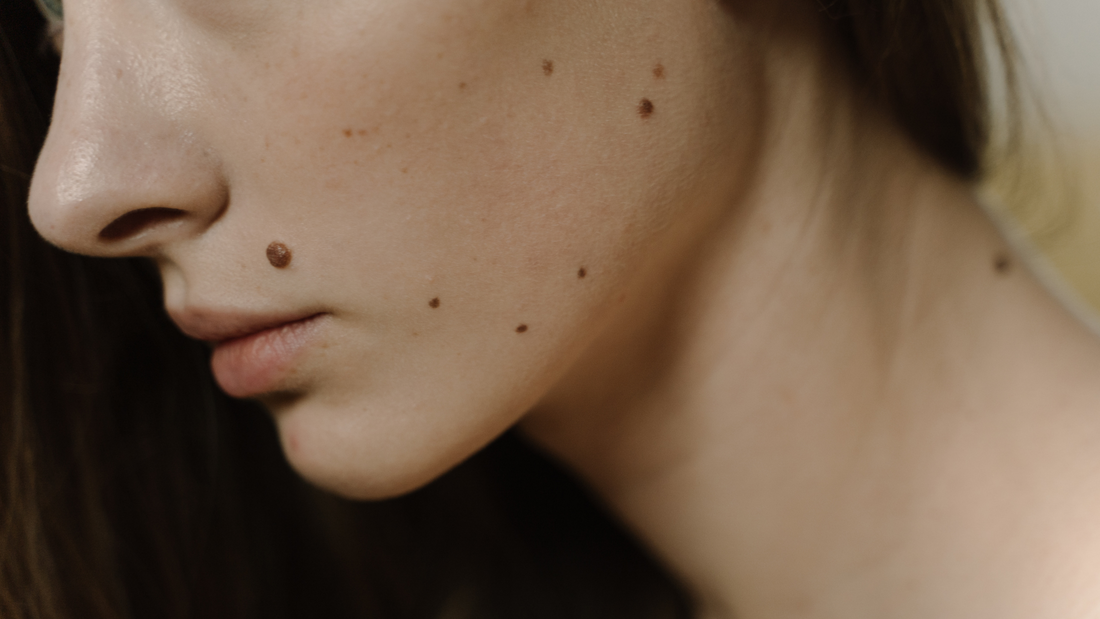
Moles form when skin cells are damaged by being exposed to sunlight. New moles also form during adolescence and pregnancy due to change in hormone levels and at also at birth through inherited genetics.

The vast majority of moles are benign or non-cancerous and remain stable throughout our lifetime. That said, we shouldn’t be too complacent as it is possible for common moles to develop into melanoma skin cancer.

If a person has more than 50 common moles they are particularly at risk of melanoma skin cancer.

Dermatologists encourage the public to perform ongoing self-examination of their skin, so that they can identify a potential issue and monitor changes to their skin that take place over time.

A useful framework for thinking about the moles on your skin is the ABCDE skin check rule. If any of your moles display characteristics consistent with the ABCDE rule then it increases the chances of the mole being malignant or cancerous.

A - Asymmetry - one half of the mole doesn’t match the other

B - Border - the mole has an irregular border

C - Colour - the mole does not have a uniform colour

D - Diameter - the mole has a diameter of more than 6mm

E - Evolving - the size, shape or colour of the mole is evolving

It is recommended that if you are routinely exposed to the sun, have a type 1 skin profile or a personal/family history of skin cancer issues you should have a skin cancer check every 12-18 months. Should you have any specific concerns about a mole you should seek immediate medical attention.

It is important to note that whilst melanoma skin cancer can develop from a mole, there a number of other types of melanoma and non-melanoma that are represented by skin growths that do not look like moles.

Over 90% of skin cancers are caused by the cumulative impact of sun exposure. Dermatologists recommend sun protective clothing as the best way to prevent sunburn, skin ageing and skin cancer.

Solbari is the leading UPF 50+ sun protective clothing brand in Australia with customers in over 60 countries. Solbari offers a range of UPF 50+ sun protection clothing, broad brim sun hats, UPF arm sleeves and sun umbrellas.

You can find out more about Solbari's sun protective range by clicking the links below:
Women UPF 50+
Men UPF 50+
Sun hats UPF 50+
Accessories UPF 50+

Back to blog homepage

Content Disclaimer: All content on the Solbari website is for informational purposes only. It does not constitute and is not intended to be a substitute for professional medical advice, diagnosis or treatment. Never disregard professional medical advice or delay seeking it because of something you have read on this website. Reliance on any information provided on this website is solely at your own risk. Always seek the guidance of your doctor or other qualified health professional with any questions about your health or a medical condition.

More articles

Your Story Series: Amy

Your Story Series: Amy

Skin Cancer & Melanoma
5 min read

After multiple melanoma diagnoses, Amy has built her sun protection routine around her adventurous lifestyle. She incorporates both SPF sunscreens and UPF 50+ clothing into her every day life so she can continue to embrace the outdoors without sacrifice.

Your Story Series: Leah

Your Story Series: Leah

Skin Cancer & Melanoma
2 min read

8 years ago, Leah was diagnosed with Stage 3 melanoma shortly after her son's first birthday. In the years since she has learned the tools to allow her to continue enjoying the outdoors.

A woman and a man standing on a beach wearing Solbari sun hats and UPF 50+ clothing.

Sun Protection Beyond Sunscreen: Make UPF 50+ Clothing and Sun Hats Your First Line of Defence

4 min read

Learn why dermatologists recommend UPF 50+ clothing and broad-brim sun hats as the first line of defence, with sunscreen used to protect the areas clothing can’t cover.

A woman and a man wearing Solbari sun hats.

The Science of UPF 50+ Clothing and Sun Hats: Why Fabric Rating Matters

Sun Protection
5 min read

Not all fabrics block UV. Explore how UPF 50+ clothing and sun hats are engineered, tested and rated to keep your skin safer every day in the sun.

Courtney wears a Solbari sun hat and Luxe Sun Wrap

Your Story Series: Courtney

Skin Cancer & Melanoma
3 min read

After seeking help for a spot that was changing colour and getting bigger, Courtney was diagnosed with melanoma. She has since prioritised her health above everything else, and has incorporated sun protection as a non-negotiable in her daily routine.

How UPF 50+ Sun Protection Can Help Alleviate Rosacea

How UPF 50+ Sun Protection Can Help Alleviate Rosacea

Skin Cancer & Melanoma
2 min read

Does overexposure to UV rays affect rosacea? How can UPF 50+ sun protective clothing help to alleviate this skin condition? Find out more.